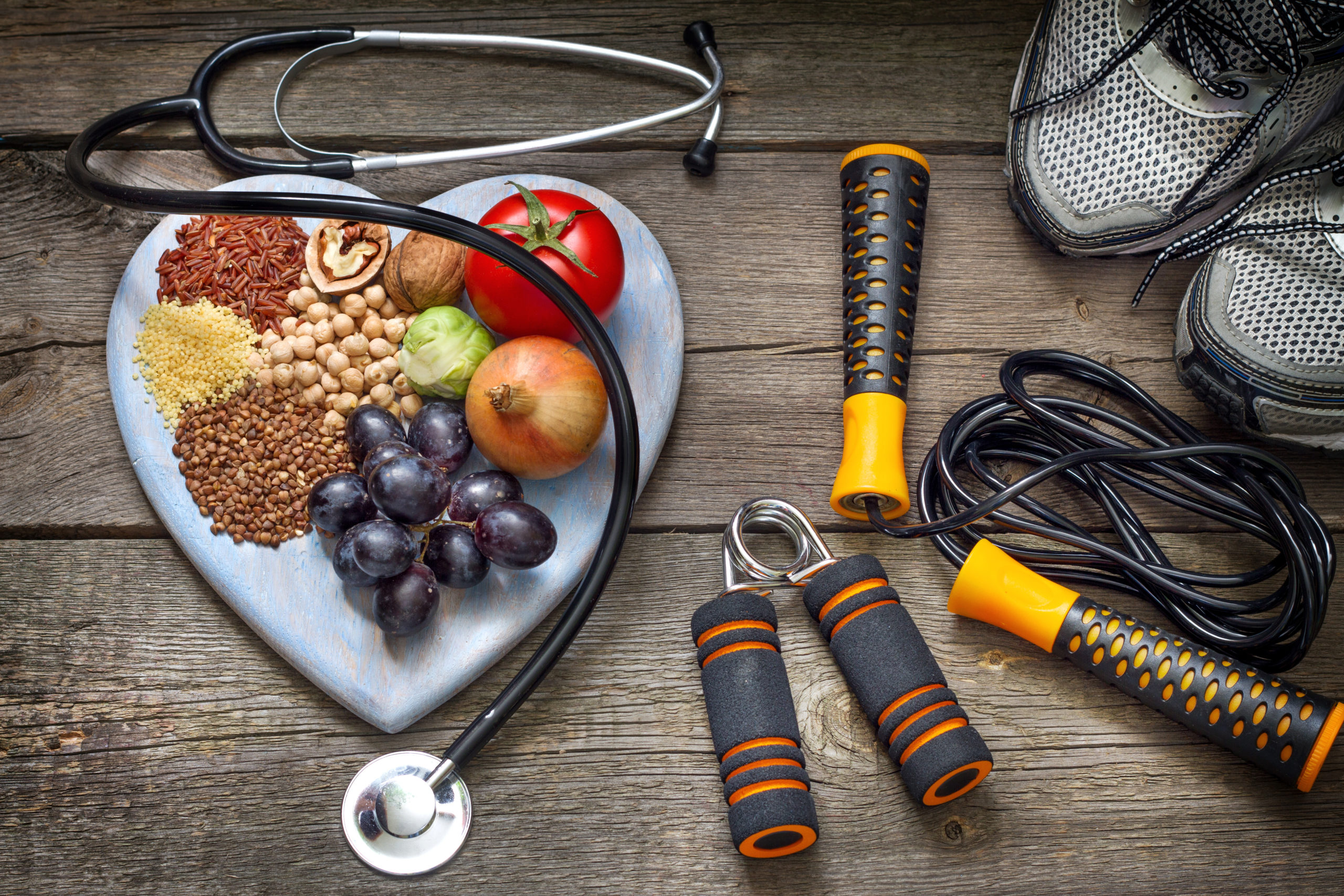
Nutrition Strategies: 5 Tips to Help You Progress

Nutrition Strategies

When speaking of nutrition strategies, low carb and high carb diets have been getting most of the attention. With higher carb diets gaining more and more popularity recently. Protein on the other hand, has generally been spread equally throughout the day without too much change.

In today’s article we are taking a step further, and explaining why you should drastically change and design your nutrition program as your training and lifestyle changes.

Simply creating a nutrition plan based on the …

The post Nutrition Strategies: 5 Tips to Help You Progress appeared first on Gym Junkies.

The Power of Recovery: Techniques for Muscle Repair and Growth

In the pursuit of strength, muscle growth, and overall fitness, people often focus intensely on their training regimen, pushing their limits and seeking the best workout routines. However, one critical aspect that is often overlooked is the power of recovery. Recovery is an essential part of any successful training program, and understanding its significance can enhance your performance, prevent injury, and lead you to your ultimate fitness goals, whether you’re looking for mass-made simple or simply seeking an alternative to

The post The Power of Recovery: Techniques for Muscle Repair and Growth appeared first on Gym Junkies.

Protein and Digestion.

Protein…facts you need to know.

Clients often come in asking me about protein, eager to ensure they’re eating enough—especially because I encourage everyone to eat more fruits and vegetables. But here’s what most people don’t realize: protein in its whole form isn’t directly usable by your body. Before it can nourish you, protein needs to be broken down into its building blocks—amino acids—because our microscopic cells can’t absorb large protein molecules.

The challenge? Most people I work with don’t have adequate hydrochloric acid (HCL) in their stomachs to effectively break protein down. HCL is essential for denaturing protein, activating enzymes like pepsin, and preparing it for absorption in the small intestine. Without this crucial step, even the healthiest diet can lead to incomplete digestion and poor absorption. Instead of nourishing your muscles, tissues, and immune system, undigested protein can sit in the gut and ferment, creating gas, bloating, and inflammation. Over time, this undigested protein can leak through the gut lining, contributing to immune reactions or what we know as “leaky gut syndrome.”

On top of this, eating the wrong food combinations can interfere with digestion. For example, pairing protein-heavy meals with refined carbohydrates or sugary drinks can dilute stomach acid and slow down gastric emptying, leaving proteins to ferment or putrefy in the gut.

I recently saw a gentleman whose doctor advised him to increase his protein intake to build strength. But his bloodwork told a different story: high creatinine, elevated uric acid, and weak kidney filtration. These markers suggested that his protein wasn’t being properly digested or utilized—instead, it was crystallizing in his urine and putting strain on his kidneys. This is a classic example of how eating more protein doesn’t guarantee you’re benefiting from it.

Everyone seems to be concerned about getting enough protein—but the real question is: are you actually digesting and absorbing the protein you’re eating? Without proper digestion, excess protein can become a burden to the body rather than a benefit. The solution isn’t always to eat more, but to optimize digestion so your body can extract and use what it truly needs. Supporting stomach acid production, chewing thoroughly, and incorporating digestive aids like bitters or enzymes can make all the difference in how well your body utilizes this vital nutrient.

Simple Tips to Test Your Protein Digestion

If you’re unsure whether your protein is being digested properly, here are a few signs and strategies to explore:

  • Check for bloating or heaviness after protein-rich meals. If you feel overly full or gassy, your digestion may need support.
  • Examine your bowel movements. Undigested food particles or a strong, foul odor can indicate incomplete breakdown.
  • Try the “HCL challenge” under professional guidance. This involves adding a small dose of betaine HCL to meals to see if digestion improves.
  • Incorporate apple cider vinegar (ACV). A teaspoon of ACV in water before meals can help stimulate stomach acid.
  • Chew, chew, chew. Protein digestion starts in the mouth, so chew until food becomes a paste before swallowing.

By paying attention to these simple signals and supporting your digestive system, you can make sure that all the hard work you put into eating well actually translates into nourishment for your body.

The post Protein and Digestion. appeared first on Total Gym Pulse.

Arms of Steel: Best Workouts for Biceps and Triceps

When it comes to building a strong and impressive physique, well-developed arms play a significant role. Whether you’re aiming for visually striking 14-inch arms or simply looking to enhance your overall athleticism, focusing on bicep and tricep training is essential. The arms are often the most visible indicators of strength and fitness, and mastering effective workouts can lead to remarkable arms of steel.

In this blog post, we’ll explore the anatomy of the arms, the importance of biceps and triceps

The post Arms of Steel: Best Workouts for Biceps and Triceps appeared first on Gym Junkies.

Caffeine and Exercise: 4 Vital Things You Should Know About

caffeine and exercise

Do you love coffee? Do you love to exercise? If so, you’re in luck! This article will discuss the benefits of caffeine and exercise.

Better Endurance

It’s proven that caffeine will help you handle more intense exercises. Go to the gym with an insulated mug with you and take a few sips before your session. You’ll notice, during training, that you can better withstand the pain and better endure the session.

It is, therefore, an excellent performance-enhancing drug

The post Caffeine and Exercise: 4 Vital Things You Should Know About appeared first on Gym Junkies.

Why You Need Fiber – and Lots of It!

Why You Need Fiber – and Lots of It!

I am constantly increasing the quantity of fiber that my clients consume because their elimination is weak. Most people simply do not eat nearly enough fruit and vegetables to get the daily fiber needed to support their gut and overall health. The recommended daily allowance for fiber is around 30 grams. I say aim for 100 grams! That might sound extreme, but our bodies were designed to thrive on an abundance of plant foods that naturally keep our digestive system clean and functioning optimally.

So, why is fiber so essential, and what types do we actually need?

The Two Types of Fiber and Why They Matter

  1. Insoluble Fiber (The Cleanser)
    • Insoluble fiber acts like a broom, sweeping through your gastrointestinal (GI) tract and helping to move waste out of the body. It doesn’t dissolve in water and adds bulk to stool, which helps prevent constipation and supports regular bowel movements.
    • Sources: Whole vegetables (think broccoli, kale, carrots), fruit skins, seeds, and herbs
    • Why you need it: It keeps things moving through the gut, preventing stagnation and toxic build-up, which is key for maintaining a healthy colon.
  2. Soluble Fiber (The Feeder)
    • Soluble fiber dissolves in water to form a gel-like substance. This type of fiber feeds the good bacteria in your gut, helping to maintain a diverse and healthy microbiome. A healthy gut flora reduces inflammation, supports immunity, and even helps regulate mood.
    • Sources: Apples, citrus fruits, psyllium husk, fenugreek, slippery elm
    • Why you need it: It helps regulate blood sugar levels, lowers cholesterol, and nourishes your gut bacteria, which produce beneficial compounds like short-chain fatty acids.

Why 100 Grams?

Our modern diets are severely lacking in fiber compared to what our ancestors ate. The 30-gram guideline is the bare minimum to prevent disease, but it’s not enough to thrive. Aiming for more fiber:

  • Supports detoxification: Fiber binds to waste products, toxins, and excess hormones, escorting them out of the body.
  • Feeds the microbiome: The trillions of microbes in your gut depend on fiber as their primary food source. Without it, beneficial bacteria starve, and harmful ones take over.
  • Encourages healthy elimination: Poor elimination means waste stays in your system too long, leading to bloating, fatigue, skin issues, and more.

Are You Eating Enough?

If you’re not sure, take a look at your plate. Is it loaded with colorful vegetables and fruits at every meal? Are you incorporating seeds and greens daily? If not, it’s time to level up your fiber game. Start slow, though—dramatically increasing fiber without adequate hydration can backfire. Always pair high-fiber meals with plenty of water to keep things moving.

Your gut is the foundation of your health, and fiber is one of its greatest allies. By prioritizing high-fiber, whole foods, you’re not just improving digestion, you’re laying the groundwork for better energy, clearer skin, balanced hormones, and a stronger immune system.

The post Why You Need Fiber – and Lots of It! appeared first on Total Gym Pulse.