The Difference Between Cold-Pressed and Refined Oils

The Difference Between Cold-Pressed and Refined Oils

Oils play a crucial role in our diet, providing essential fatty acids, antioxidants, and fat-soluble vitamins. However, not all oils are created equal. One of the key distinctions is whether an oil is cold-pressed or refined. The difference in processing affects not only the nutritional value but also the taste, aroma, and overall health benefits of the oil.

Cold-Pressed Oils: The Purest Form

Cold-pressed oils are extracted through mechanical pressing without the use of heat or chemical solvents. The process typically involves crushing the seeds, nuts, or fruits and slowly pressing them to extract oil. Because the temperature remains low (usually below 49°C or 120°F), the oil retains its natural nutrients, enzymes, and antioxidants.

Benefits of Cold-Pressed Oils:

  • Nutrient-Dense: Since they are minimally processed, cold-pressed oils retain vitamins (such as vitamin E and K) and essential fatty acids.
  • Rich in Antioxidants: These oils contain natural antioxidants like polyphenols and tocopherols, which help combat free radicals and support overall health.
  • Better for Digestion: Cold-pressed oils are more easily digested and utilized by the body compared to refined oils.
  • Unaltered Flavor & Aroma: The natural taste and scent remain intact, making them ideal for dressings, dips, and finishing touches on meals.
  • Less Processing = Fewer Chemicals: No bleaching, deodorizing, or chemical extraction is involved, making these oils a cleaner and healthier choice.

Examples of Cold-Pressed Oils and Their Benefits:

  1. Extra Virgin Olive Oil: High in monounsaturated fats and polyphenols, it supports heart health, reduces inflammation, and has strong antioxidant properties.
  2. Coconut Oil: Contains medium-chain triglycerides (MCTs) that provide quick energy and support brain function. Also has antibacterial and antifungal properties.
  3. Flaxseed Oil: A rich source of omega-3 fatty acids (ALA), beneficial for brain health and reducing inflammation. Best consumed raw.
  4. Avocado Oil: High in monounsaturated fats and vitamin E, great for skin health and cardiovascular support.
  5. Sesame Oil: Packed with lignans and antioxidants, known for its anti-inflammatory properties.

Refined Oils: Highly Processed for Shelf Stability

Refined oils go through extensive processing, including heat treatment, chemical solvents (such as hexane), bleaching, and deodorization to remove impurities, extend shelf life, and create a neutral taste. This process can strip the oil of essential nutrients and antioxidants, making it less beneficial for health.

Reasons Why Oils Are Refined:

  • To remove strong flavors and odors (creating a more neutral-tasting oil).
  • To increase the smoke point, making it suitable for high-heat cooking and frying.
  • To remove natural pigments and impurities, creating a lighter, clearer appearance.
  • To improve shelf stability by preventing oxidation.

Downsides of Refined Oils:

  • Nutrient Loss: The high heat and chemical processing destroy vitamins, antioxidants, and beneficial compounds.
  • Contains Residual Solvents: Some refined oils may contain traces of chemical solvents used in extraction.
  • More Susceptible to Oxidation: The refining process removes natural antioxidants, making these oils more likely to turn rancid and produce harmful free radicals when heated.

Examples of Refined Oils and Their Uses:

  1. Canola Oil: Often genetically modified and heavily processed, canola oil is high in omega-6 fatty acids, which can contribute to inflammation if consumed in excess.
  2. Vegetable Oil (Soybean, Corn, Sunflower): Highly processed and lacking natural nutrients, often used in processed foods and fast-food frying.
  3. Refined Palm Oil: Used in packaged foods due to its long shelf life but often comes from unsustainable sources.
  4. Refined Coconut Oil: Has a higher smoke point than virgin coconut oil but lacks some of the antimicrobial benefits.
  5. Refined Sunflower Oil: Stripped of its natural vitamin E and prone to oxidation when heated.

Which One Should You Choose?

  • For Raw Consumption (Salads, Dressings, Drizzles): Always opt for cold-pressed oils like extra virgin olive oil, flaxseed oil, and avocado oil.
  • For Cooking (Low to Medium Heat): Virgin coconut oil and cold-pressed sesame oil work well.
  • For High-Heat Cooking: If you need an oil with a high smoke point, go for avocado oil or a naturally refined option like high-oleic sunflower oil.
  • Avoid highly processed oils (such as canola, soybean, and vegetable oil) whenever possible, as they lack nutrients and can contribute to inflammation.

By choosing cold-pressed oils over refined oils, you are opting for a healthier, more nutrient-dense option that provides real benefits to your body. While refined oils may be more convenient and longer-lasting, they come at the cost of lost nutrients and potential health risks. Investing in high-quality oils can make a significant difference in your overall health, supporting everything from brain function to heart health and inflammation reduction.

The post The Difference Between Cold-Pressed and Refined Oils appeared first on Total Gym Pulse.

Spring is Here — and It’s Time for an Inner Reset! 🌱

Spring is Here — and It’s Time for an Inner Reset! 🌱

Every spring, we naturally get the urge to clean up — we freshen our homes, declutter our closets, and sweep out the dust. But how often do we think about cleaning up inside our bodies?

Just like nature wakes up and renews itself, our bodies are asking for the same. When we clean out the buildup in our digestive system, we free up energy for our cells to perform better — giving us more vitality, better moods, and stronger immune function.

– The truth is, when our gut is sluggish, everything feels sluggish — digestion, thinking, energy, and even our skin!

But how do you “spring clean” your body safely?
Not by jumping into an extreme cleanse.
Fast, harsh detoxes can do more harm than good. They often shock the system, cause uncomfortable reactions like diarrhea or cramps, and don’t create lasting change.

Instead, think of it like tending a garden — gently, consistently, and with care.

Understanding Poor Elimination:

When we eat processed foods, deal with stress, or simply don’t get enough fiber and water, our digestion slows down. Instead of moving food waste efficiently out of the body, the intestines hold onto it — sometimes for days!

This leads to:

  • Bloating and gas
  • Constipation (less than 1-2 bowel movements per day)
  • Feeling heavy, tired, and “backed up”
  • Bad breath or coated tongue
  • Poor absorption of nutrients
  • Weakening of the immune system (since 70% of it is in the gut!)

Over time, poor elimination means that waste materials ferment, creating harmful bacteria that can “leak” into the bloodstream — leading to inflammation, brain fog, joint pain, skin issues, and much more.

Good elimination means moving your bowels at least two -three times a day , with ease — no straining, no urgency, no incomplete feeling after.
It should be quick, clean, and complete — you shouldn’t even need a lot of toilet paper if your digestion is truly healthy!

5 Simple Ways to Gently Cleanse Your Body This Spring:

  1. Cut out processed, lifeless foods.
    Packaged cereals, frozen dinners, canned foods, boxed snacks — they’re loaded with preservatives, dyes, and additives.
    Your cells simply don’t recognize these as real nourishment — and when they linger in your gut, they weaken digestion and feed the wrong kind of bacteria.
  2. Choose whole, real foods.
    Ditch refined grains, conventional dairy, and processed sugars that can cause bloating and sluggish digestion.
    Stick to organic, simple, recognizable foods — the way nature intended.
  3. Read labels carefully.
    Watch for hidden toxins like “natural flavors,” cheap seed oils (like canola or sunflower oil), and excessive preservatives — even in foods that claim to be “healthy” or “gluten-free.”
  4. Eat more raw fruits and vegetables.
    Raw foods are packed with living enzymes that naturally help your body digest and detoxify.
    Aim to have at least a few handfuls of raw fruits or vegetables every single day.
  5. Hydrate — with good quality water.
    Water is essential for flushing out toxins.
    Aim for 2–3 liters a day — and if you can, drink spring water, filtered water, or eat more organic raw produce, which contains the cleanest water nature offers.
    (Avoid tap water whenever possible — it’s loaded with chemicals like chlorine and fluoride.)

The post Spring is Here — and It’s Time for an Inner Reset! 🌱 appeared first on Total Gym Pulse.
Cool Fuel: Beat the Summer Heat & Power Your Body

Cool Fuel: Beat the Summer Heat & Power Your Body

Maria Sollon, MS, CSCS, PES

Hot days demand more from your body, especially when you’re training hard, sweating often, and chasing goals that don’t take summers off. Hydration becomes your edge. It fuels your workouts, supports recovery, and keeps every system performing at its best.

To help you stay fueled, refreshed, and energized in the heat, here are three crave-worthy recipes that deliver more than just cool, satisfying flavor. These summer staples are functional fuel. Each one helps replenish what your body loses through sweat while delivering nutrients that support hydration, recovery, and stamina.

From post-workout hydration to sun-soaked recovery, consider these your warm-weather essentials. Clean ingredients. Craveable flavor. Serious benefits.

No-Sweat Shopping Guide

Remembering every ingredient for every recipe can be frustrating — especially when you’re at the store and can’t find the recipe. (I’ve been there… and yep, left without half of what I needed!) That’s why I’ve made it simple.

This clean, streamlined grocery list gives you everything you need for all three “Cool Fuel” recipes in one shot. No guesswork. No scrolling back to double-check. Just print it, screenshot it, or take it with you so shopping is one less thing to sweat about.

Cool Fuel: The Best Recipes Youll Crave All Summer

Get your blender ready… it’s time to mix, shake, and sip your way to better hydration, faster recovery, and flavor that fuels your summer vibe!

Each of these recipes is clean, crave-able, and created with a purpose. Whether you need a post-workout recharge or a sun-friendly sip to cool down, there’s something here for every sweaty scenario.

#1: Watermelon Lime Slush

Ingredients:

  • 2 cups cubed watermelon (frozen preferred, see note)
  • Juice of ½ lime (approx: 1–1½ tablespoons)
  • ½ cup coconut water
  • Pinch of sea salt
  • Optional: 5–6 fresh mint leaves

Quick Prep:
Blend everything until smooth and slushy. Sip and savor immediately!

Note:
Frozen watermelon gives it that frosty slush texture. If using fresh, just toss in a handful of ice!

Why Your Body Needs This:
Watermelon is hydration disguised as dessert.  It’s over 90 percent water, packed with potassium, and helps restore fluid balance after you sweat. Lime adds vitamin C and metabolism support. That pinch of salt? It replaces sodium lost during workouts, keeping your muscles and nerves firing properly. Mint just makes you feel like you’re on vacation, even if you’re standing in your kitchen with a blender.

#2: Cucumber Avocado Recovery Dip (Dairy-Free)

Ingredients:

  • 1 ripe avocado
  • ½ cucumber, finely grated or chopped
  • Juice of ½ lemon
  • Dash of sea salt

Quick Prep:
Mash the avocado and mix it with the cucumber, lemon juice, and salt. (Option to pulse in blender). Serve with raw veggies, rice crackers, or just a spoon. No judgment.

Why Your Body Needs This:
Avocados give you healthy fats and potassium, both crucial for post-workout recovery and muscle function. Cucumber hydrates from the inside out. Lemon supports digestion and helps your body absorb nutrients better. Plus, when it’s too hot to cook, this is basically your green light to eat guac for dinner, but with extra benefits.

#3: Coconut Chia Pudding (2 Ways)

Hydrating or indulgent? You choose the texture.

Ingredients:

  • ¾ cup unsweetened coconut water (for a lighter, hydrating version)
    OR
  • ¾ cup unsweetened coconut milk (for a creamier, more decadent texture)
  • 3 tablespoons chia seeds
  • Optional toppings: berries, banana slices, or a sprinkle of coconut flakes

Quick Prep:

Stir chia seeds into your liquid of choice—use coconut water for a light, refreshing flavor or coconut milk for a creamier, decadent texture. Let sit for 5–10 minutes, stir again, then refrigerate for at least 2 hours (or overnight) until thick and pudding-like. Enjoy chilled and top with fruit, banana slices, or a drizzle of honey for extra flavor.

Why Your Body Needs This:
Chia seeds absorb liquid and help the body retain hydration longer. They also deliver omega-3s, fiber, and plant-based protein in one bite. Coconut water is nature’s electrolyte drink with no added sugars and no neon sports drink bottles required. This pudding cools you down, fuels recovery, and actually leaves you satisfied instead of sluggish.

Cool & Fueled…

Summer isn’t the time to overcomplicate nutrition. It’s the time to get smart, stay cool, and fuel in a way that works with your training — not against it. These three recipes are simple, refreshing, and recovery-ready with ingredients your body will love.

Stay cool. Stay fueled. Keep moving strong.

Maria

@GROOVYSWEAT

Let’s Connect on Social Media

The post Cool Fuel: Beat the Summer Heat & Power Your Body appeared first on Total Gym Pulse.

Understanding the Vagus Nerve and Its Powerful Influence

The Gut-Brain Connection: Understanding the Vagus Nerve and Its Powerful Influence

We’ve all heard the saying “trust your gut,” but few people realize just how deeply connected our gut is to our brain. This powerful connection is largely driven by the vagus nerve, the longest cranial nerve in our body, which acts as a communication superhighway between our digestive system and our brain.

What is the Vagus Nerve?

The vagus nerve, also known as the 10th cranial nerve, begins at the brainstem and meanders its way through the neck, chest, and abdomen, finally ending at the colon. It is responsible for transmitting information back and forth, influencing everything from mood and immune response to digestion and heart rate. This nerve is the main component of the parasympathetic nervous system, which is often referred to as the “rest and digest” system.

But here’s the critical question: Can the vagus nerve function optimally when the gut is compromised and filled with bad bacteria?

How Gut Health Impacts Vagus Nerve Function

When the gut microbiome is unbalanced—overrun with bad bacteria and lacking in diversity—communication through the vagus nerve is disrupted. This can lead to poor mood, anxiety, lack of focus, and even depression. An inflamed gut sends distress signals through the vagus nerve to the brain, which can trigger mood swings, foggy thinking, and even mental health challenges. This is why addressing gut health is so crucial for mental well-being.

Moreover, the majority of serotonin—commonly known as the “happy hormone”—is actually produced in the gut, not the brain. This explains why many people do not find relief from SSRIs (Selective Serotonin Reuptake Inhibitors), which only attempt to increase serotonin levels in the brain. If the gut is not healthy, serotonin production is impaired, and no amount of brain-focused medication can truly solve the problem.

How to Stimulate Vagus Nerve Function

Fortunately, there are natural ways to stimulate and support healthy vagus nerve function:

  1. Humming and Chanting – These create vibrations that activate the vagus nerve.
  2. Deep Breathing Exercises – Slow, deep breaths stimulate the parasympathetic nervous system and enhance vagus nerve activity.
  3. Cold Showers or Hot/Cold Baths – Exposure to contrasting temperatures has been shown to activate vagus nerve response and improve resilience to stress.
  4. Meditation and Yoga – These practices help to calm the mind and activate parasympathetic healing responses.

Building a Healthy Gut for a Happy Mind

To truly support vagus nerve health, focusing on the integrity of the gut microbiome is essential. Consuming a diet rich in diverse, whole foods, fermented foods like sauerkraut and kefir, and high-fiber vegetables and fruits can help restore balance and feed the beneficial bacteria in your gut. When your gut is happy, your mind is too.

Final Thoughts

The gut-brain connection is real and powerful. When your gut is in good health, your thoughts are clearer, your mood is brighter, and your ability to focus is stronger. By taking steps to nourish your gut and stimulate the vagus nerve, you are not only supporting your digestive health but also your mental well-being.

The post Understanding the Vagus Nerve and Its Powerful Influence appeared first on Total Gym Pulse.

Fermented Foods: Nourishing Your Gut Naturally

Fermented Foods: Nourishing Your Gut Naturally

Fermented foods have been celebrated for centuries — not just for their bold, tangy flavors, but also for their remarkable benefits to gut health. These traditional foods are naturally rich in probiotics — beneficial microorganisms that help balance the gut microbiome, support digestion, and strengthen immunity.

In today’s world, where processed and pasteurized foods dominate the shelves, our bodies are often deprived of the living enzymes and beneficial bacteria that once came from natural, unprocessed foods. Bringing fermented foods back into your diet is one of the simplest and most effective ways to restore balance and vitality to your digestive system.

Why Fermented Foods Matter

The gut is home to trillions of bacteria — some good, some harmful. When this delicate ecosystem is out of balance, we may experience symptoms such as bloating, fatigue, skin issues, or even mood changes. Probiotics found in fermented foods help restore the “good” bacteria, crowding out the harmful ones and creating a healthier internal environment.

A healthy gut not only supports digestion but also plays a key role in immune function, hormonal balance, and even mental clarity. In fact, about 80% of your immune system resides in your gut, so taking care of your microbiome truly means taking care of your whole body.

Top Fermented Foods to Add to Your Diet

Here are a few simple and delicious ways to start incorporating fermented foods into your daily meals:

  1. Sauerkraut – Made from fermented cabbage, sauerkraut is rich in probiotics and digestive enzymes. Choose raw, unpasteurized versions found in the refrigerator section for maximum benefit.
  2. Kimchi – A Korean staple made from cabbage, radish, and spices. It’s not only probiotic-rich but also full of antioxidants and vitamins.
  3. Kefir – A fermented milk or coconut drink that contains multiple strains of beneficial bacteria and yeast. It’s easier to digest than traditional dairy and excellent for gut repair.
  4. Kombucha – A fermented tea beverage that supports digestion and detoxification. It’s a refreshing alternative to sugary drinks.
  5. Fermented Vegetables – You can ferment almost any vegetable at home — carrots, beets, cauliflower, or green beans — creating your own probiotic-rich side dishes.

Tips for Adding Fermented Foods to Your Routine

  • Start slow. Introduce small portions first — about a tablespoon or two daily — to let your body adjust.
  • Choose quality. Avoid pasteurized or shelf-stable versions; heat destroys the beneficial bacteria.
  • Pair wisely. Add fermented foods to meals, not on an empty stomach, to aid digestion and enhance nutrient absorption.
  • Stay consistent. The key is regularity. A small daily amount is more effective than large portions once in a while.

The Bottom Line

Fermented foods are more than a trend — they are a return to our roots. For generations, they have played a vital role in preserving food and maintaining health. Reintroducing them into your diet can bring your digestion, energy, and immunity back into balance.

Remember, a healthy gut is the foundation of a healthy body and mind — and fermented foods are one of the easiest, most natural ways to support both.

The post Fermented Foods: Nourishing Your Gut Naturally appeared first on Total Gym Pulse.

My Top 3 Must-Have Supplements & Why You Need Them

My Top 3 Must-Have Supplements and Why You Need Them

Supplements are a massive industry—heavily marketed and often confusing for consumers. As a result, many people end up buying low-quality brands, products they don’t really need, or worse, supplements that are ineffective or poorly absorbed. While everyone is unique and may require specific support based on their individual health status, there are three foundational supplements that I believe everyone should consider incorporating into their daily routine for optimal health. These are Vitamin D3 with K2, Magnesium, and Omega-3 fatty acids. Let’s explore why.

  1. Vitamin D3 with K2

Vitamin D3 is not just a vitamin; it’s a hormone that plays a crucial role in immune function, bone health, and overall vitality. However, what many people don’t realize is that Vitamin D3 must be paired with Vitamin K2 to work effectively. Why? Because Vitamin K2 helps direct calcium to where it belongs—in your bones and teeth—instead of letting it build up in your arteries or soft tissues where it can cause problems.

Key Benefits of Vitamin D3 with K2:

  • Supports strong bones by aiding in calcium absorption.
  • Enhances immune system function to help fight off infections.
  • Reduces inflammation and supports heart health.
  • Prevents calcium build-up in arteries, lowering the risk of arterial calcification.

What to Look For:

  • A high-quality Vitamin D3/K2 supplement in a dark glass bottle to protect the integrity of the oils
  1. Magnesium

Our soil has become so depleted over time that magnesium levels in our food are not what they used to be. Magnesium is essential for over 600 chemical reactions in the body, making it a cornerstone for good health. In naturopathy, we refer to it as the “calming element” because it supports the parasympathetic nervous system—the part of our nervous system responsible for rest and digestion.

Key Benefits of Magnesium:

  • Promotes relaxation and helps manage stress.
  • Improves sleep quality by calming the nervous system.
  • Supports muscle function and prevents cramping.
  • Enhances digestion by promoting smooth muscle contraction.
  • Regulates blood sugar and supports cardiovascular health.

What to Look For:

  • Opt for Magnesium Glycinate or Magnesium Bisglycinate, as these forms are highly absorbable and gentle on the stomach.
  • Avoid Magnesium Oxide—it’s poorly absorbed and can cause digestive distress.
  1. Omega-3 Fatty Acids

Omega-3s are essential fats that our bodies do not produce; we must get them from our diet or supplementation. These fatty acids, primarily EPA and DHA, are crucial for brain health, reducing inflammation, and supporting cardiovascular function. The best sources are fatty fish like anchovy, mackerel, herring, and salmon.

Key Benefits of Omega-3s:

  • Reduces systemic inflammation, which is linked to heart disease and arthritis.
  • Supports brain health, cognitive function, and mood regulation.
  • Promotes healthy skin by reducing dryness and inflammation.
  • Lowers blood pressure and improves cardiovascular health.

What to Look For:

  • A high-quality Omega-3 supplement sourced from small fish like anchovies and sardines to reduce mercury exposure.
  • Dark glass bottles to protect the oils from oxidation.
  • Ideally, a brand that is third-party tested for purity and potency.

Final Thoughts:

When it comes to supplementation, quality matters. It’s always best to consult with a qualified health professional, like a naturopath, to determine the appropriate dosage for your specific needs. Integrating these three powerhouse supplements—Vitamin D3 with K2, Magnesium, and Omega-3 fatty acids—into your daily routine can elevate your health, boost immunity, and improve overall well-being.

Would you like to learn how to incorporate these into your lifestyle seamlessly? Book a consultation, and I’ll guide you on how to optimize your health through smart supplementation and nutrition.

The post My Top 3 Must-Have Supplements & Why You Need Them appeared first on Total Gym Pulse.

Protein and Digestion.

Protein…facts you need to know.

Clients often come in asking me about protein, eager to ensure they’re eating enough—especially because I encourage everyone to eat more fruits and vegetables. But here’s what most people don’t realize: protein in its whole form isn’t directly usable by your body. Before it can nourish you, protein needs to be broken down into its building blocks—amino acids—because our microscopic cells can’t absorb large protein molecules.

The challenge? Most people I work with don’t have adequate hydrochloric acid (HCL) in their stomachs to effectively break protein down. HCL is essential for denaturing protein, activating enzymes like pepsin, and preparing it for absorption in the small intestine. Without this crucial step, even the healthiest diet can lead to incomplete digestion and poor absorption. Instead of nourishing your muscles, tissues, and immune system, undigested protein can sit in the gut and ferment, creating gas, bloating, and inflammation. Over time, this undigested protein can leak through the gut lining, contributing to immune reactions or what we know as “leaky gut syndrome.”

On top of this, eating the wrong food combinations can interfere with digestion. For example, pairing protein-heavy meals with refined carbohydrates or sugary drinks can dilute stomach acid and slow down gastric emptying, leaving proteins to ferment or putrefy in the gut.

I recently saw a gentleman whose doctor advised him to increase his protein intake to build strength. But his bloodwork told a different story: high creatinine, elevated uric acid, and weak kidney filtration. These markers suggested that his protein wasn’t being properly digested or utilized—instead, it was crystallizing in his urine and putting strain on his kidneys. This is a classic example of how eating more protein doesn’t guarantee you’re benefiting from it.

Everyone seems to be concerned about getting enough protein—but the real question is: are you actually digesting and absorbing the protein you’re eating? Without proper digestion, excess protein can become a burden to the body rather than a benefit. The solution isn’t always to eat more, but to optimize digestion so your body can extract and use what it truly needs. Supporting stomach acid production, chewing thoroughly, and incorporating digestive aids like bitters or enzymes can make all the difference in how well your body utilizes this vital nutrient.

Simple Tips to Test Your Protein Digestion

If you’re unsure whether your protein is being digested properly, here are a few signs and strategies to explore:

  • Check for bloating or heaviness after protein-rich meals. If you feel overly full or gassy, your digestion may need support.
  • Examine your bowel movements. Undigested food particles or a strong, foul odor can indicate incomplete breakdown.
  • Try the “HCL challenge” under professional guidance. This involves adding a small dose of betaine HCL to meals to see if digestion improves.
  • Incorporate apple cider vinegar (ACV). A teaspoon of ACV in water before meals can help stimulate stomach acid.
  • Chew, chew, chew. Protein digestion starts in the mouth, so chew until food becomes a paste before swallowing.

By paying attention to these simple signals and supporting your digestive system, you can make sure that all the hard work you put into eating well actually translates into nourishment for your body.

The post Protein and Digestion. appeared first on Total Gym Pulse.

Why You Need Fiber – and Lots of It!

Why You Need Fiber – and Lots of It!

I am constantly increasing the quantity of fiber that my clients consume because their elimination is weak. Most people simply do not eat nearly enough fruit and vegetables to get the daily fiber needed to support their gut and overall health. The recommended daily allowance for fiber is around 30 grams. I say aim for 100 grams! That might sound extreme, but our bodies were designed to thrive on an abundance of plant foods that naturally keep our digestive system clean and functioning optimally.

So, why is fiber so essential, and what types do we actually need?

The Two Types of Fiber and Why They Matter

  1. Insoluble Fiber (The Cleanser)
    • Insoluble fiber acts like a broom, sweeping through your gastrointestinal (GI) tract and helping to move waste out of the body. It doesn’t dissolve in water and adds bulk to stool, which helps prevent constipation and supports regular bowel movements.
    • Sources: Whole vegetables (think broccoli, kale, carrots), fruit skins, seeds, and herbs
    • Why you need it: It keeps things moving through the gut, preventing stagnation and toxic build-up, which is key for maintaining a healthy colon.
  2. Soluble Fiber (The Feeder)
    • Soluble fiber dissolves in water to form a gel-like substance. This type of fiber feeds the good bacteria in your gut, helping to maintain a diverse and healthy microbiome. A healthy gut flora reduces inflammation, supports immunity, and even helps regulate mood.
    • Sources: Apples, citrus fruits, psyllium husk, fenugreek, slippery elm
    • Why you need it: It helps regulate blood sugar levels, lowers cholesterol, and nourishes your gut bacteria, which produce beneficial compounds like short-chain fatty acids.

Why 100 Grams?

Our modern diets are severely lacking in fiber compared to what our ancestors ate. The 30-gram guideline is the bare minimum to prevent disease, but it’s not enough to thrive. Aiming for more fiber:

  • Supports detoxification: Fiber binds to waste products, toxins, and excess hormones, escorting them out of the body.
  • Feeds the microbiome: The trillions of microbes in your gut depend on fiber as their primary food source. Without it, beneficial bacteria starve, and harmful ones take over.
  • Encourages healthy elimination: Poor elimination means waste stays in your system too long, leading to bloating, fatigue, skin issues, and more.

Are You Eating Enough?

If you’re not sure, take a look at your plate. Is it loaded with colorful vegetables and fruits at every meal? Are you incorporating seeds and greens daily? If not, it’s time to level up your fiber game. Start slow, though—dramatically increasing fiber without adequate hydration can backfire. Always pair high-fiber meals with plenty of water to keep things moving.

Your gut is the foundation of your health, and fiber is one of its greatest allies. By prioritizing high-fiber, whole foods, you’re not just improving digestion, you’re laying the groundwork for better energy, clearer skin, balanced hormones, and a stronger immune system.

The post Why You Need Fiber – and Lots of It! appeared first on Total Gym Pulse.

The Power of Fasting

The Power of Fasting: How to Give Your Body a Break for Lasting Health and Mental Clarity

I am a big fan of fasting, and for good reason. Every time I fast, I am reminded just how complex our digestive system truly is — and how much work our bodies do simply to process the food we eat. Digestion is an intricate system of mechanical and chemical processes. From the moment food enters the mouth, enzymes begin breaking it down, stomach acid and bile work to further dismantle nutrients, and the intestines absorb what the body can use. It’s an energy-intensive system, and it’s constantly at work every time we eat.

Yet, we rarely give our bodies a break. Most of us are eating constantly — breakfast, snacks, lunch, afternoon snacks, dinner,  — expecting our digestive system to operate at peak efficiency, all while also detoxifying and regenerating cells. We cannot properly cleanse while we are busy digesting.

Fasting creates a pause. It allows the body to shift focus from digestion to repair, detoxification, and regeneration, with powerful benefits for both mental and physical health.

Why Fasting Works

  1. Supports Detoxification
    Giving your digestive system a break allows your liver, kidneys, and lymphatic system to focus on clearing metabolic waste and toxins efficiently, reducing inflammation and promoting overall cellular health.
  2. Enhances Mental Clarity
    Personally, every time I fast, I notice sharper thoughts, better concentration, and even vivid memories. Stabilized blood sugar and reduced inflammatory triggers from processed foods likely contribute to this mental boost.
  3. Resets Your Gut
    Your gut is delicate and complex. Every meal triggers enzymes, stomach acid, and bile — all taxing over time. Fasting allows the gut to rest, repair the mucosal lining, and recalibrate the microbiome, which supports digestion, immunity, and mood regulation.
  4. Promotes Cellular Repair
    Fasting triggers autophagy, a natural process where cells remove damaged components and regenerate. This reduces the risk of chronic disease and supports longevity.
  5. Balances Hormones and Energy
    By using stored fat for energy, fasting improves insulin sensitivity and supports hormonal balance, leading to more consistent energy throughout the day.

Fasting Schedules You Can Try

Here are some practical ways to incorporate fasting into your life:

  1. Intermittent Fasting (12–16 hours daily)
  • Example: Finish dinner by 7 PM, skip breakfast, and eat your first meal at 11 AM the next day.
  • Benefits: Gives your body a consistent daily break, supports fat metabolism, and improves mental clarity.
  1. 24-Hour Fasts (Once or Twice a Month)
  • Example: Eat dinner at 7 PM, then fast until dinner the next day.
  • Benefits: Deepens detoxification and gives the digestive system an extended pause.
  1. Modified Fasts
  • Example: Consume only broths, herbal teas, or small smoothies for a day or two.
  • Benefits: Provides minimal calories while allowing the digestive system to rest.

Tips for Success:

  • Stay hydrated with water, herbal teas, broths
  • Break your fast with nutrient-dense, whole foods — avoid processed foods immediately after fasting.
  • Listen to your body: if you feel dizzy or overly fatigued, adjust your fasting schedule.
  • Incorporate fasting gradually; start with shorter periods and build up.

My Personal Experience

Fasting is as much a mental practice as a physical one. Each time I fast, I feel lighter, more centered, and mentally sharper. It’s an opportunity to “hear” my body more clearly — to understand real hunger versus habitual eating, and to appreciate food as nourishment rather than a constant requirement.

Intermittent fasting has also allowed me to re-evaluate my relationship with food. It’s a reminder that constant eating is not necessary for energy or wellbeing. Giving the digestive system a break often leads to increased energy, better digestion, and greater mental clarity.

The post The Power of Fasting appeared first on Total Gym Pulse.

The Ayurvedic Way to Holiday Wellness

Nourish to Flourish: The Ayurvedic Way to Holiday Wellness

Maria Sollon, MS, CSCS, PES

The holiday season is a beautiful time to celebrate, gather with loved ones, and savor delicious foods, but it can also challenge our health routines. Many of us focus almost exclusively on movement or exercise, overlooking a crucial piece of the wellness equation: nourishing the body from within so it can truly thrive. As a fitness professional, I know that while movement matters, what we eat and how we care for our internal wellness often accounts for 80% of the results we feel.

This Thanksgiving let’s shift the focus to simple, effective ways to honor our bodies through mindful eating, Ayurvedic-inspired rituals, and nutrient-rich ingredients that support digestion, immunity, and overall vitality.

Why Ayurveda Matters

Ayurveda is a 5,000-year-old holistic health system from India centered around balance; mind, body, and spirit. Its core principles are simple, yet incredibly powerful: choose nourishing foods, follow mindful daily routines, and embrace natural healing practices. These habits support digestion, reduce inflammation, lift energy, and promote long-term resilience.

During the holidays, it’s easy to get swept up in busyness and indulgence. But even small Ayurvedic practices such as a warm elixir in the morning, a soothing ritual at night, or mindful holiday meals, can help you stay grounded, nourished, and restored.

By weaving these traditions into your season, you create a healthier, more balanced approach to the holidays while giving your body the care it deserves.

Adaptogens: Natures Support System

Adaptogens are a special class of herbs that help your body adapt to stress, steady your energy, and support hormonal balance, especially during busy or demanding seasons.  A few commonly used adaptogens include:

Ashwagandha

Known as the “soothing adaptogen,” it helps calm the nervous system, reduce inflammation, and support restful sleep.

Maca

A natural energy booster. It supports hormone balance and can help reduce stress-related fatigue.

Turmeric

While not officially an adaptogen, its anti-inflammatory benefits make it a key Ayurvedic staple for immunity, digestion, and long-term vitality.

These ingredients pair beautifully with Ayurvedic foods and blends. You’ll see them incorporated throughout the recipes below either as pure powders or through products I personally love. (Komal Herbals site and discount code listed below.)

Now that you know how they support your body, let’s bring them into your kitchen.

3 Ayurvedic Recipes & Rituals for Holiday Wellness

The holidays are a wonderful opportunity to nourish your body, support digestion, and bring grounded rituals into your day. These easy-to-make recipes can be enjoyed in the morning, evening, or alongside your holiday meals to help you feel balanced, energized, and festive.

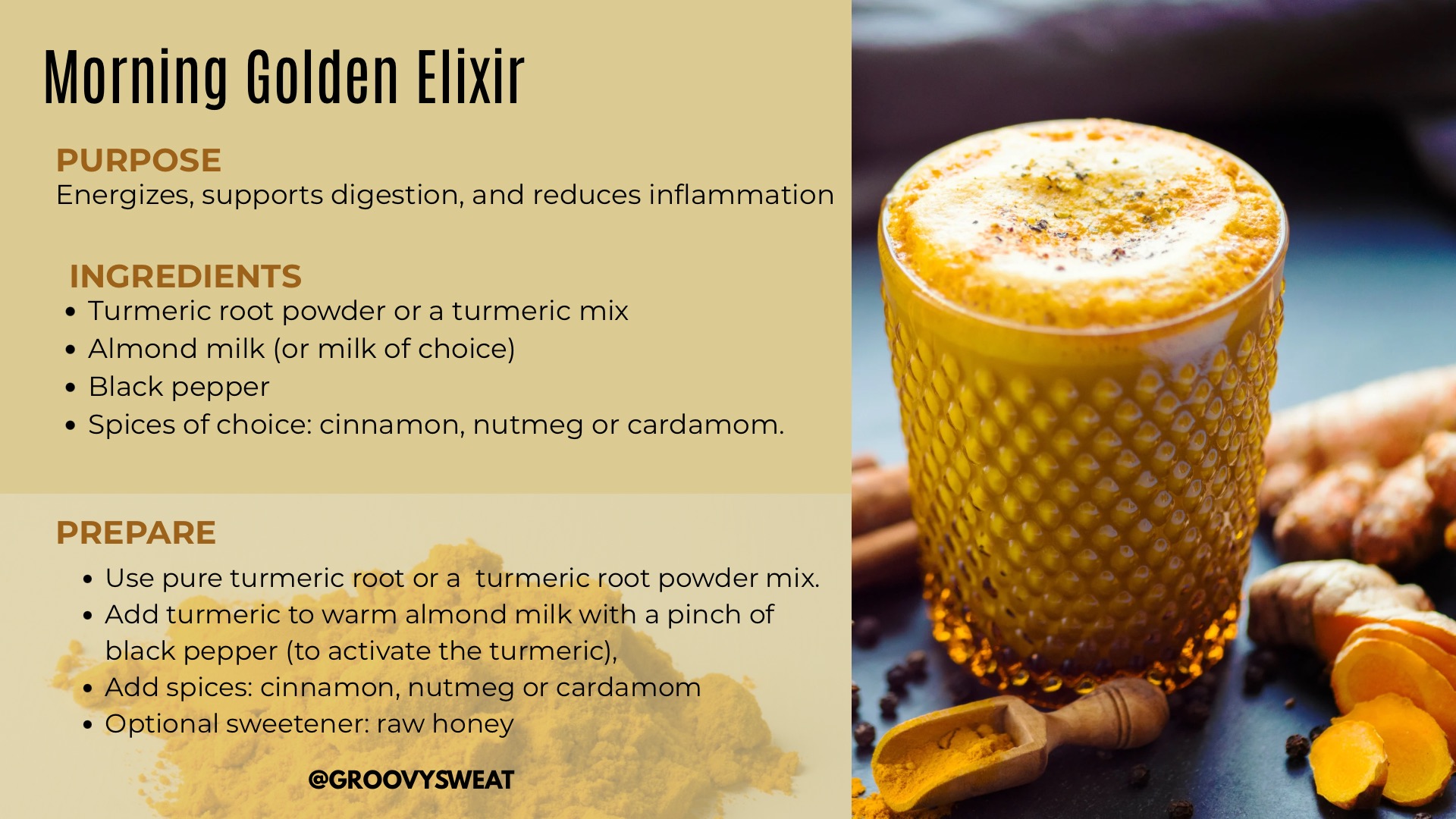
  1. Turmeric Rituals: Morning or Evening Golden Elixir
    Incorporating turmeric and adaptogens into warm drinks is one of the simplest ways to support digestion, reduce inflammation, and gently regulate energy.

Purpose: Energizes, supports digestion, reduces inflammation, and sets a grounded tone for your day. If drinking in the evening, it soothes digestion, calms the mind, and supports restful sleep.

Ritual: Sip mindfully to start your day with intention, or enjoy in the evening during quiet reflection, gentle stretching, or journaling to support calm and balance.

Ingredients:

Base:

  • 1 cup warm almond milk (or water)
  • Pinch of cinnamon
  • Optional: vanilla, nutmeg, or cardamom
  • Turmeric (choose one turmeric option)

            Option A: Using pure ingredients

  • ½–1 tsp turmeric powder
  • Pinch of black pepper (boosts absorption)

            Option B: Using a blended Mix 

  • 1 tablespoon Turmeric Powder Mix

How to make:
Warm the almond milk, stir in your turmeric option and spices. Sip and enjoy.

These two simple, Ayurvedic-inspired drinks are versatile, easy to make, and can become intentional, health-supporting rituals in your daily routine.

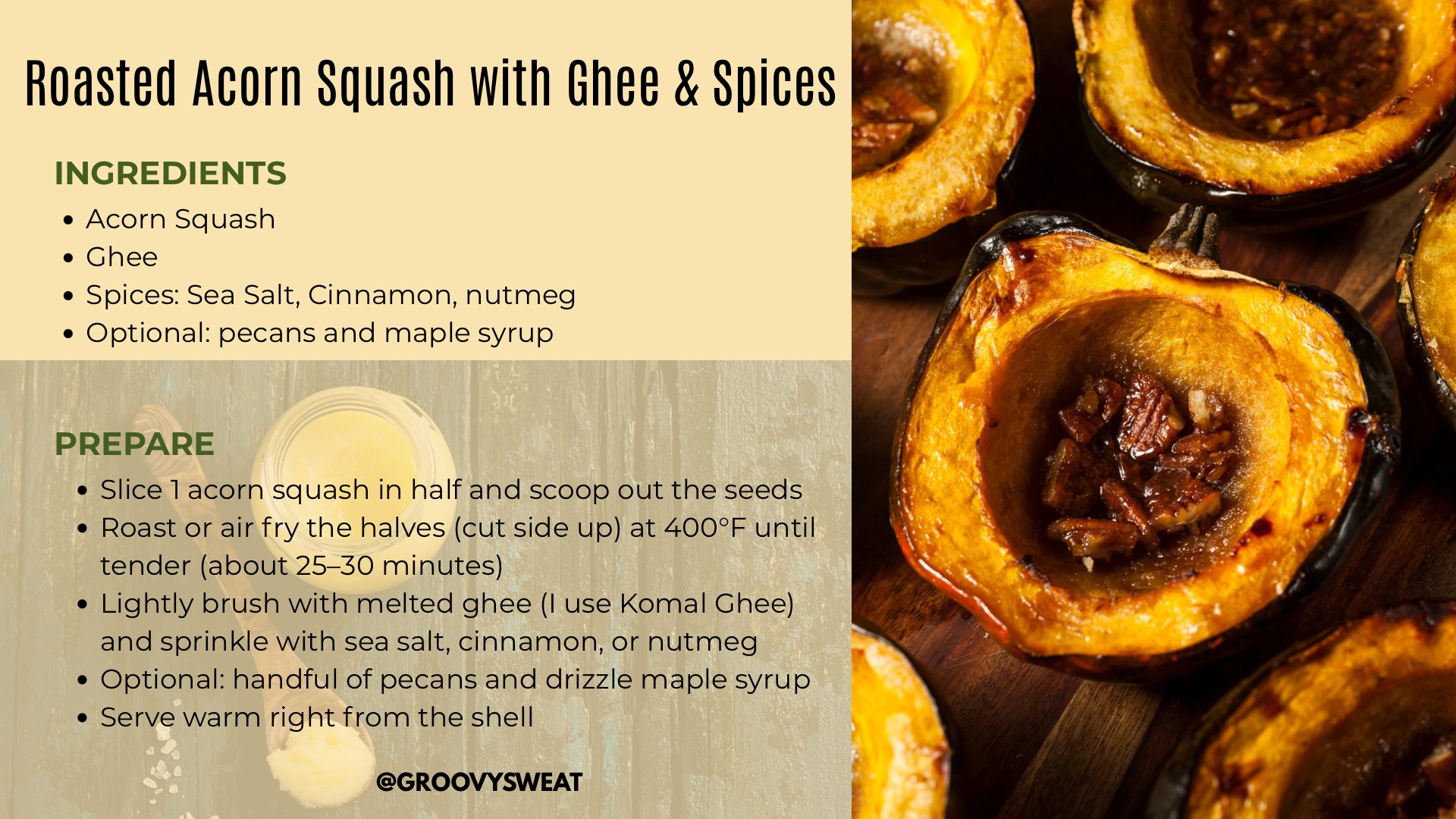
  1. Savory Side: Roasted Acorn Squash with Ghee & Spices

This Ayurvedic twist on acorn squash is easy to make, naturally sweet, and a lighter, nourishing alternative to heavier holiday sides.

Purpose: This dish supports digestion, keeps energy balanced, and brings earthy comfort to your plate.

Ingredients:

  • 1 acorn squash
  • 1–2 tbsp Ghee (I love Komal Brand Ghee)
  • Cinnamon or nutmeg
  • Sea salt
  • Optional boost: a tiny pinch of turmeric

How to make:

  1. Slice the squash in half; scoop out seeds.
  2. Roast or air fry (cut side up) at 400°F for 25–30 minutes.
  3. Brush with melted ghee.
  4. Sprinkle with sea salt and warming spices of choice.
  5. Serve warm right from the shell.
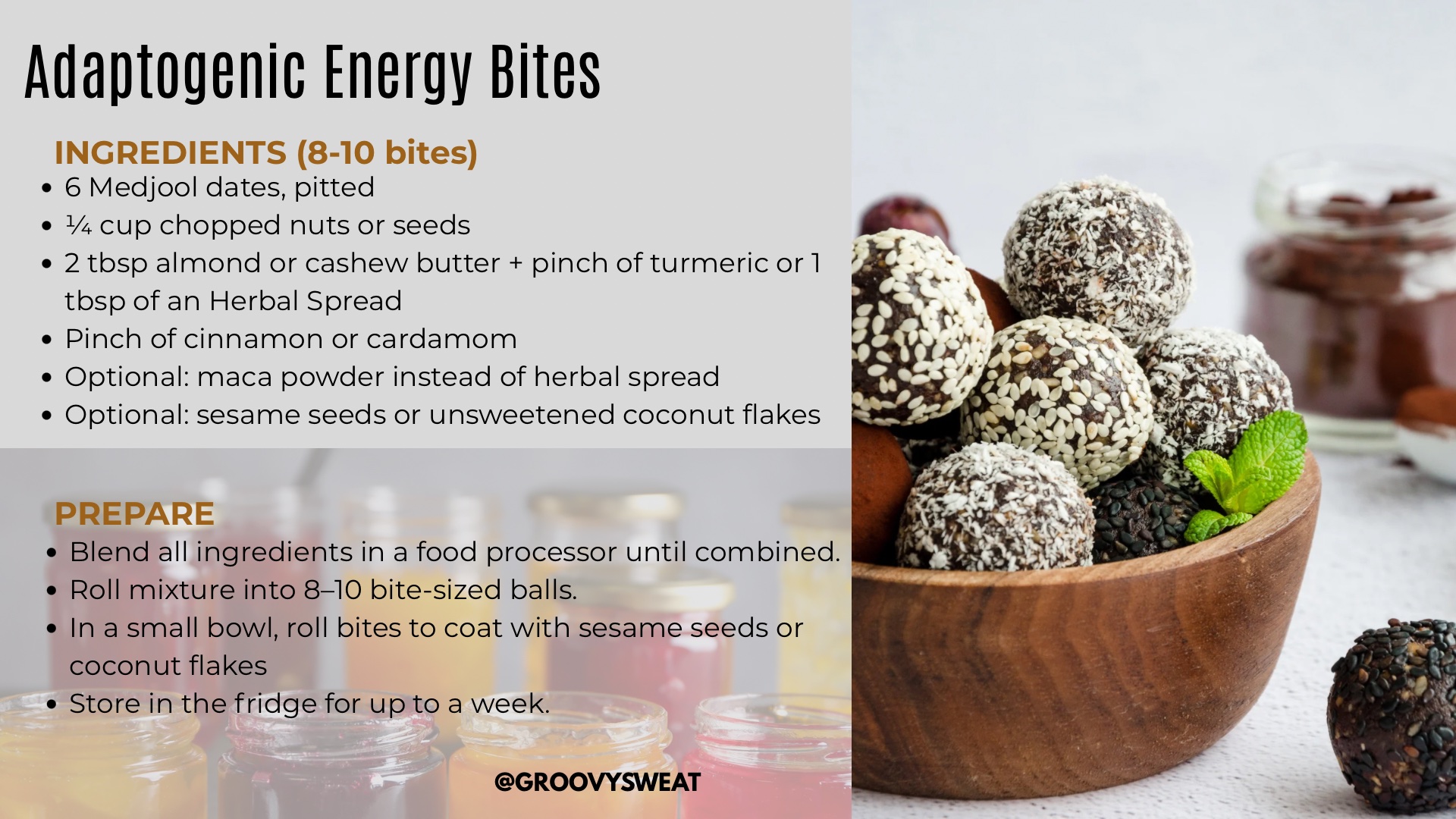
  1. Sweet Treat: Adaptogenic Energy Bites

These no-bake bites are nourishing, naturally sweet, and perfect for snacks or healthy holiday treats.

Purpose:
These bites are simple, flavorful, anti-inflammatory, and full of natural adaptogenic support.

Ingredients (two versions):

Base for both:

  • 6 Medjool dates
  • ¼ cup chopped nuts or seeds
  • Pinch of cinnamon or cardamom 

Option A: With Ayurvedic Spreads

  • 2 tbsp Komal Herbals Turmeric Spread
    OR
  • 2 tbsp Komal Herbals Anti-Aging Spread
    (Both contain warming spices + herbal support)

Option B: With Maca Powder

  • 2 tbsp almond or cashew butter
  • 1–2 tsp maca powder
  • Optional: pinch of turmeric + black pepper

How to make:

  1. Add all ingredients to a food processor.
  2. Blend until the mixture sticks together.
  3. Roll into 8–10 balls.
  4. In a small bowl, roll bites to coat with sesame seeds or coconut flakes
  5. Refrigerate up to a week.

These recipes are easy to make, enjoyable to share, and reinforce the idea that health can be festive, flavorful, and approachable ~ not restrictive.

Personal Note

Ayurvedic practices have become an essential part of my wellness routine, bringing balance, nourishment, and vitality to my health.

Here are a few of my favorite products I use daily from Komal Herbals:

  • Ghee: used for cooking or adding rich, nourishing flavor (instead of butter)
  • Golden-T Milk Elixir Turmeric Powder: perfect for anti-inflammatory support
  • Anti-Aging Spreads: a satisfying snack that supports vitality from the inside out (Products: organic Neem- Turmeric, Praas Anti-Aging Jam, GulKand-Rose Jam)

[LINK]  https://komalherbals.com?sca_ref=9548124.ifDpCyybEzi

Nourish & Give Thanks

Enjoy a golden elixir in the morning, a calming turmeric tea at night, or simple, nourishing holiday sides. Ayurvedic-inspired rituals like these support your health, keep you balanced, and connect you to the rhythm of the season.  Mindful nourishment is one of the most powerful gifts you can give your body. When shared with others, it becomes an expression of care, gratitude, and love that extends far beyond the holiday table.

In love & gratitude,

Maria

@GROOVYSWEAT

Let’s Connect on Social Media

The post The Ayurvedic Way to Holiday Wellness appeared first on Total Gym Pulse.